Five Ways You Have Been Applying Perfume Wrong

Share
Most people learn how to apply perfume from watching others or from habit, which means most people carry at least one or two application mistakes that are costing them longevity, character, or the fragrance experience they are paying for. Here are the five most common application errors, what actually happens when you make them, and what to do instead.
1. Rubbing Your Wrists Together After Application
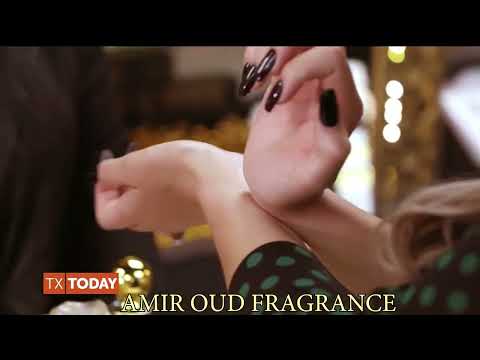
This is possibly the most universal perfume application mistake, and it is worth understanding why it matters. When you rub your wrists together after applying fragrance, whether oil or spray, you generate friction and heat that accelerates the evaporation of the top notes. Those first, lighter aromatic molecules that create the opening impression of a fragrance disappear faster, and the development of the fragrance is disrupted.
For oil-based Arabic attars specifically, rubbing also physically spreads the oil in ways that disrupt the distribution pattern that gives the attar its most effective performance.
What to do instead: Apply and let the fragrance sit. Pressing a rollerball applicator to each pulse point and releasing is sufficient. For spray perfumes, spray and walk away, let the fragrance settle on skin without any contact.
2. Applying to Dry, Unprepared Skin
Applying fragrance immediately after getting dressed, on dry and unprepared skin, is a waste of your fragrance investment. Dry skin absorbs fragrance quickly and metabolizes it faster, significantly reducing how long the scent is perceptible.
The fix: Apply an unscented moisturizer or a neutral skin oil (jojoba works well) 3-5 minutes before applying your attar or spray. The moisturizer creates a slightly lipid-rich surface that holds aromatic molecules longer and releases them more slowly. The difference in longevity is significant enough that this simple habit change is one of the highest-return improvements you can make to your fragrance routine.
3. Applying to Clothes Exclusively (and the Wrong Clothes)
Many people apply fragrance entirely to their clothing, believing this is where it lasts longest. The reality is more nuanced. Fabric does hold fragrance longer than skin in some ways, but it also changes the development of the fragrance, you do not get the same skin chemistry interaction that makes Arabic luxury attar oils develop uniquely on each wearer.
The right approach is both: apply to skin (pulse points) for the personal, skin-chemistry-developed character, and apply to fabric (collar, scarf, inside of cuffs) for additional longevity and projection. Each serves a different purpose and they work together.
Also worth noting: avoid applying fragrance directly to delicate or light-colored fabric where oil from an attar or the alcohol in a spray could stain. Test on an inconspicuous area first.
4. Applying in the Wrong Location (Too Far From Body Heat)
Pulse points are not a myth, they are the warmest accessible spots on the skin, and warmth is what continuously activates fragrance throughout the day. Application to cold extremities like shins or ankles (a popular social media tip) reduces the activation energy the fragrance gets and produces weaker performance than application to warm pulse points.
The most effective pulse points for Arabic attar oils: inside wrists, base of throat, behind ears, inside of elbows. For spray perfumes: these points plus the chest. The heat generated at these points continuously warms the fragrance and lifts it off the skin in a controlled way throughout the day.
5. Over-Application or Under-Application
Both mistakes are common, but they err in opposite directions. Over-application of Arabic attar oils is less common than you would expect (because the oils are expensive and concentrated), but when it happens, especially with pure Hindi oud, it can be genuinely overwhelming to others. Under-application is more common: a barely-there trace of fragrance that fades within an hour because there was not enough material to sustain a full day of wear.
The practical guide for Arabic attar oil: two to four small dabs (pulse points) for everyday situations, with additional applications to hair or fabric if you want more presence. For spray EDPs: two to three sprays on pulse points for professional settings, three to five for evenings and formal occasions.
Getting Application Right Makes the Fragrance Right
Application quality has an enormous effect on how your fragrance actually performs throughout the day. A great Arabic attar oil applied correctly will last all day and develop beautifully. The same oil applied wrong may last three hours and project unevenly. Explore the Amir Oud collection and bring the right technique to your Arabic fragrance routine. For fragrances worth applying correctly, explore the Amir Oud collection.