Arabic Perfumes: Oud, Bakhoor, and Egyptian Musk Explained

Share
Arabic perfumery is one of the richest and most technically sophisticated fragrance traditions in the world, and three materials sit at its center: oud (the wood), bakhoor (the incense), and Egyptian musk oils (the skin scent). Understanding these three, what they are, what they smell like, and how they work together, is the key to understanding Arabic fragrance culture.
Oud: The King of Arabic Perfumery
Oud is the most valuable ingredient in Arabic perfumery and one of the most expensive natural materials in the world. It comes from the Aquilaria tree, a tropical hardwood native to South and Southeast Asia. When these trees are infected by a specific mold, they produce a dark, aromatic resin as a defense response. The resin-saturated wood, harvested after years or decades of development, is either burned directly as incense or distilled into oil.
What does oud actually smell like? The honest answer is: it depends on the origin. Indian oud (Hindi oud) is the most complex and intense, woody, animalic, resinous, with layers that reveal themselves over hours. Cambodian oud is sweeter, with a honey-like quality that makes it more immediately accessible. Brunei oud is considered the most refined, lighter than Indian, cleaner than Cambodian, with a beautiful woody-floral quality. Indonesian oud falls between these extremes.
What all genuine oud shares is depth and longevity. A small amount of pure Royal Oud oil blends applied to the wrist in the morning will still be perceptible eight hours later, often much longer. This is not an accident of marketing; it is the actual chemical character of agarwood resin.
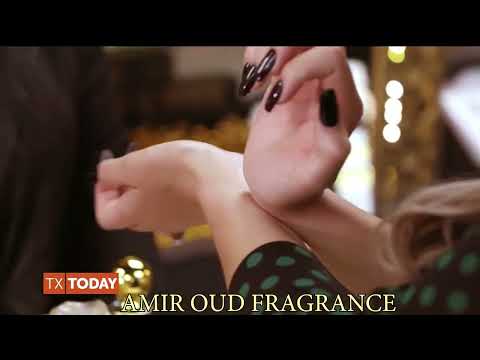
In Arabic culture, oud is traditionally applied to the body using a small rollerball or dab applicator, with a few drops placed on pulse points. It is also burned as bakhoor and used as the base note in complex attar blends. There is no single "correct" way to experience oud, the tradition encompasses all of these forms.
Bakhoor: The Fragrance of Arabic Hospitality
Bakhoor is the Arabic incense tradition that has been at the center of home fragrance culture across the Middle East for thousands of years. Traditional bakhoor consists of wood chips, often agarwood, that have been soaked in oud oil and combined with aromatic resins, amber, musk, rose water, and other botanicals, then dried and prepared for burning.
Bakhoor is burned on charcoal discs in traditional incense burners (mabkhara) or on electric heating plates, releasing a rich, complex smoke that fills a room within minutes. The scent lingers in fabric and soft furnishings for hours after the burning has stopped, which is partly the point. In Arabic culture, burning bakhoor before guests arrive is a fundamental gesture of hospitality, and waving a censer under one's thobe or abaya to scent the clothing is a traditional form of personal fragrance application.
Modern bakhoor comes in multiple forms:
- Loose wood chips for traditional charcoal burning
- Compressed blocks for more controlled burning on electric plates
- Ready-to-use bakhoor pellets that simplify the traditional process
Amir Oud carries both authentic Arabic bakhoor and oud wood chips for those who want to experience the most traditional form of this practice.
Egyptian Musk: The Scent That Stays With You
Egyptian musk is the third pillar of Arabic perfumery, and the one most likely to win over newcomers immediately. Unlike oud's complex intensity or bakhoor's ambient presence, Egyptian musk operates at the subtlest end of the fragrance spectrum: soft, warm, skin-like, and deeply personal.
The scent of Egyptian musk is almost paradoxically hard to describe because it is designed to blend with the wearer's natural skin chemistry rather than to project a distinct, identifiable character. It is clean without smelling like laundry detergent. It is warm without smelling of vanilla or gourmand sweetness. It has a faint powderiness that is neither baby-powder nor talc but something more refined. And it smells slightly different on every person who wears it.
In Arabic perfumery, Egyptian musk is worn in two ways: as a standalone fragrance and as a layering base. As a layering base, it is applied first to the skin, allowed to absorb, and then covered with an oud attar or other fragrance. The musk extends the outer fragrance's longevity, softens its edges, and creates a combination that is uniquely personal to the wearer.
How Oud, Bakhoor, and Egyptian Musk Work Together
In practice, a traditional Arabic fragrance experience might look like this: Egyptian musk applied to the skin in the morning as a base. A rose-oud attar blend applied over the musk. Bakhoor burned at home in the evening to welcome guests and allow the fragrance to infuse the space.
Each layer serves a different function. The musk is personal and lasting. The attar is the primary fragrance character. The bakhoor is ambient and communal. Together, they create a complete fragrance environment that Western perfumery, with its single-bottle approach, rarely achieves.
Explore all three at Amir Oud, whether you start with Egyptian musk, bakhoor, or a rose-oud attar, you are stepping into one of the most sophisticated fragrance traditions in the world. Explore the full breadth of Arabic perfumery, from authentic scented bakhoor to the oils and attars that have defined this tradition for centuries.