What Is Arabian Perfume and How Do You Wear It?

Share
Arabian perfume is a broad and genuinely rich category that encompasses everything from pure oud oils to authentic scented bakhoor incense to attar blends and Egyptian musk oils. For those encountering it for the first time, the variety can be both exciting and confusing. Here is a clear introduction to what Arabian perfume actually is and the practical information you need to start wearing it.
What Arabian Perfume Is
Arabian perfume is not a single product type, it is a fragrance tradition built on a specific set of ingredients, philosophies, and practices that developed across the Arabian Peninsula and broader Middle East over many centuries. The central materials are oud (agarwood resin), musk, amber, rose, and frankincense. The central format is the oil-based attar, a concentrated, alcohol-free fragrance applied directly to skin. The central practice is layering, building a personal fragrance profile from multiple materials rather than depending on a single product.
Within this tradition, you will find several product categories:
- Attar oils: Oil-based concentrated fragrances, pure single-note materials or complex multi-ingredient compositions
- Spray EDPs: Arabic-style compositions in conventional spray format
- Bakhoor: Fragrant incense for home use, wood chips, compressed blocks, or paste burned on charcoal or electric plates
- Solid perfumes: Wax-based fragrance in tins, traditional and portable
- Fragrance blends and sets: Curated combinations that provide a starting point for layering
How Arabian Perfume Differs From What You May Be Used To
If your fragrance experience has been primarily with Western alcohol-based perfumes, several things about Arabian perfumery will be immediately different:
- The fragrance does not have a sharp alcohol opening, the scent you smell immediately on application is the actual fragrance, not the carrier
- The longevity is significantly greater, oil-based attars typically last 8-12 hours on skin versus 2-4 hours for most alcohol-based fragrances
- The fragrance develops differently on different people, skin chemistry interaction produces a genuinely personal result
- The application is typically much smaller, a few drops rather than multiple sprays, because the concentration of aromatic material is much higher
How to Wear Arabian Perfume
Applying Attar Oil
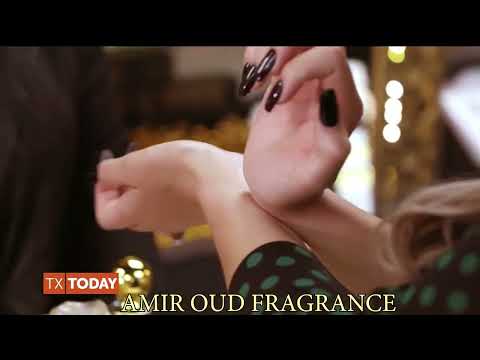
Use the rollerball or dabber applicator to place a small amount of oil on pulse points: inside wrists, base of throat, behind ears, inside elbows. Press the applicator gently to skin and release, do not rub. Two to four application points is sufficient for all-day wear. Let the oil absorb for two minutes before putting on clothing.
The Layering Approach
For a complete Arabic fragrance experience, use the layering technique:
- Apply Egyptian musk oil to pulse points first as a base layer. Wait 2-3 minutes.
- Apply your primary attar (oud blend, rose, amber) over the musk.
- Optionally, add a single note accent (saffron, rose absolute) to one or two points for additional complexity.
Fragrance sets and blend collections from Amir Oud are designed to facilitate this layering approach by providing complementary combinations in a single package.
Using Bakhoor
For home fragrance, burn bakhoor on an electric plate or charcoal disc 15-20 minutes before guests arrive or as an evening ritual. Use a small piece, thumb-tip size, for a standard room. The fragrance will linger for hours after the burning stops, infusing fabric and furniture.
Where to Start at Amir Oud
The most common starting points for first-time Arabic fragrance wearers are Egyptian musk oil (soft, approachable, immediately lovable) and a rose-oud attar blend (complex and beautiful without the full intensity of pure oud oil). From there, the collection at Amir Oud offers a guided path through the full range of Arabian perfumery, from casual everyday options to the most complex and intense oud compositions available. Ready to start? Explore the Amir Oud Arabic perfume collection, oils, sprays, bakhoor, and more.