Frankincense Resin Benefits a Complete Guide

The first time I smelled frankincense resin on warm charcoal, it didn't feel like perfume alone. It felt like stepping into a room that had been waiting for centuries to tell its story.
An Introduction to Ancient Gold
Frankincense has a way of changing the air around it. Not loudly. Not with the sugary rush of a trendy candle or the sharp insistence of room spray. It rises slowly, resinous and luminous, with a dry citrus edge, a soft woodiness, and that unmistakable sacred hush that makes people pause mid-sentence.
Perfumers have always understood that some materials carry more than smell. They carry memory, geography, ritual, and status. Frankincense is one of those rare materials. In raw form, the pale golden tears look humble in the palm. Warm them, and they unfold into something regal.
That's part of the fascination behind frankincense resin benefits. People come to it for many reasons. Some want a richer home scent ritual. Some are curious about traditional wellness practices. Others know the aroma from prayer spaces, heirloom perfume oils, or old family gatherings and want to understand why it still feels so powerful.
Its story sits comfortably in both worlds. It belongs to ancient trade and modern clinical interest. It appears in smoke, in oil blends, in skin care, and in carefully prepared extracts. If you enjoy scent with depth, it's hard not to be drawn in.
Its cultural footprint also reaches into the wider history of incense and perfumery, especially in traditions shaped by bakhoor and ceremonial scenting. Readers who enjoy that lineage may also appreciate this look at Ancient Egypt and the history of bakhoor, where aromatic ritual was never treated as an afterthought.
Frankincense doesn't feel ancient because it's old. It feels ancient because it still works on the senses exactly as it always has.
The Scent of History and Heritage
A resin that traveled like treasure
Long before modern fragrance counters, frankincense moved across deserts, ports, and royal courts as a material of real consequence. Traders packed it carefully because it was precious, not ornamental. Priests burned it in ceremonies. Healers worked with it in traditional medicine. Nobility used it to scent garments, chambers, and gatherings.
That history matters because it explains why frankincense still carries a certain prestige. It was never an everyday afterthought. It was selected, transported, guarded, and offered.
In many cultures, scent marked the difference between ordinary time and sacred time. Frankincense belonged to that second category. Its smoke signaled reverence. Its perfume signaled refinement. Its resin tears looked modest, but their value sat far beyond appearance.
Why the aroma still feels ceremonial
If you've ever wondered why frankincense smells “important,” history is part of the answer. The scent profile isn't merely pleasant. It has been trained by centuries of use to mean something. Temples, homes, rites of passage, mourning rituals, hospitality, healing, and personal adornment all gave it emotional weight.
That's why even a small piece on a charcoal disc can make a room feel composed. The aroma has structure. It opens bright and balsamic, then turns warmer, deeper, and more meditative. A skilled nose notices a tension between dryness and glow. That tension is one reason perfumers love working with it.
A few recurring themes explain its staying power:
- Spiritual significance: It was burned in sacred spaces because the aroma created atmosphere and focus.
- Medicinal heritage: Traditional systems treated it as more than fragrance, especially for inflammatory discomfort and breathing rituals.
- Courtly luxury: Resin and frankincense-based preparations appeared where wealth and ceremony met.
- Cultural continuity: Families and communities kept using it because the ritual remained meaningful, not because it became fashionable again.
The bridge from old ritual to modern taste
Today, the appeal is broader but the instinct is similar. People still reach for frankincense when they want a scent that feels grounded, elegant, and meaningful. It fits beautifully into a modern home, especially when someone wants fragrance with texture and history rather than simple sweetness.
There's also a practical side to that continuity. Raw resin, bakhoor, and oil blends offer different experiences. One person may prefer the soft crackle and wafting smoke of heated resin. Another may want the quiet intimacy of a frankincense oil blend applied to wrists or neck. Someone else may choose it for skin care or a contemplative bath.
Some ingredients survive trends because they never depended on trends in the first place.
That's the heritage of frankincense. It isn't frozen in the past. It keeps finding new places to belong.
Understanding Frankincense The Science Behind the Scent
What frankincense resin actually is
Frankincense resin begins as the hardened sap of Boswellia trees. When the bark is gently cut, the tree releases an oleoresin that dries into tear-shaped droplets. Those tears are then collected and used in several forms. They may be burned as raw resin, infused into preparations, or distilled into essential oil.
The easiest way to understand it is to think of the resin as part of the tree's own protection system. A tree can't run from heat, dryness, insects, or injury. Instead, it produces substances that help seal and defend. In that sense, frankincense is a botanical survival material, concentrated by climate and time.
That simple fact clears up a common confusion. Frankincense resin and frankincense essential oil come from the same source material, but they are not identical. The resin contains heavier compounds that don't behave the same way as the more volatile aromatic molecules found in distilled oil.

Why boswellic acids matter
The phrase you'll see often in serious discussions of frankincense is boswellic acids. These are among the resin's best-known active compounds, and they help explain why frankincense has drawn so much medical interest.
Research has shown that frankincense resin contains boswellic acids with potent anti-inflammatory and anti-tumor effects, and those compounds have also been studied for reducing hyperglycemia and hyperlipidemia, as well as for controlling peritumoral brain edema associated with glioma as a possible alternative to corticosteroids, as noted in the verified clinical summary provided in this guide. In more technical pharmacology discussions, compounds such as AKBA and KBA stand out for their ability to inhibit parts of the inflammatory cascade.
A useful analogy is this. If inflammation is like an orchestra playing too loudly, boswellic acids don't just smash the instruments. They help quiet specific sections that are overplaying. That matters because targeted mechanisms are one reason frankincense keeps appearing in research on chronic inflammatory conditions.
A few mechanisms are especially important:
- Leukotriene pathway activity: Boswellic acids have been linked to inhibition of leukotriene production, which is relevant in inflammatory conditions.
- Leukocyte elastase and 5-lipoxygenase inhibition: These actions help explain why frankincense appears in discussions of joint, gut, and airway inflammation.
- Immune signaling effects: Research also points to effects on cytokine regulation and inflammatory cell activity.
Resin, oil, and smoke are not the same thing
Often, readers get tangled. They hear “frankincense” and assume every format delivers the same benefit in the same way. It doesn't.
A drop of distilled oil on skin, a capsule standardized for boswellic acids, and a piece of raw resin glowing on charcoal are three very different experiences. The aroma may overlap, but the chemical profile and route of use change what you can reasonably expect.
That distinction also matters in the home fragrance world. People drawn to resin often enjoy the slower, more atmospheric experience compared with faster, cleaner-burning products. If you like understanding how essential oils behave in home scenting, these natural essential oil candles offer a helpful companion read because they explain why natural aromatic materials can feel softer and more nuanced than synthetic-heavy fragrance formats.
Practical rule: When someone talks about frankincense benefits, ask which form they mean first. Resin, essential oil, and extract each tell a different part of the story.
Once that's clear, the science becomes easier to follow. Frankincense isn't mysterious because it lacks explanation. It's interesting because one ancient resin can express itself through scent, ritual, and pharmacology all at once.
Frankincense Benefits for Mind and Body

Joint comfort and inflammatory support
Among the most credible frankincense resin benefits is support for inflammatory discomfort, especially in the joints. Historical clinical evidence from four randomized controlled trials found that Indian frankincense (Boswellia serrata) at 1 gram daily significantly improved symptoms of knee osteoarthritis, including pain, stiffness, and joint function, with improvements appearing within one week and benefits persisting for several months after treatment stopped, according to the verified clinical summary in this guide.
That's a strong reason frankincense keeps appearing in conversations about natural support for mobility. It isn't only traditional lore. Human trials have tested it in a meaningful way.
Readers sometimes ask whether that means frankincense works the same way for every kind of arthritis. The answer is more restrained. The same verified summary notes that evidence for rheumatoid arthritis is still limited, even though the broader literature remains interested in the resin's anti-inflammatory actions. In other words, the signal is promising, but not every inflammatory condition has the same level of support.
There's also dosage nuance. The same osteoarthritis trials established 1 gram per day as safe in that context, while also noting that high doses carry a risk of severe liver side effects. That's exactly why traditional ingredients deserve modern respect rather than casual overuse.
A related pharmacological review also reported that 300 mg of Boswellia serrata extract containing 70% boswellic acids for 6 weeks led to measurable disease improvement in 70% of patients with ulcerative colitis and rheumatoid arthritis, linking that effect to reduced leukotriene B4 production and tissue changes described in the verified data above. Taken together, the clinical and mechanistic picture is why frankincense has remained relevant for inflammatory support.
Skin renewal and a more refined texture
Frankincense has long been prized in skin rituals because it gives two kinds of appeal at once. It smells elegant, and it behaves like a skin-friendly botanical when used properly.
Clinical findings summarized in the verified data show that frankincense essential oil acts as a potent astringent that improves skin elasticity while visibly reducing the appearance of deep wrinkles, and that trials found it also reduced skin irritation and redness while promoting healthy skin cell regeneration. That combination explains why it appears in facial oils, richer body treatments, and restorative blends used after cleansing or bathing.
The term cytophylactic shows up often in discussions of frankincense. It sounds technical, but the idea is straightforward. It refers to support for healthy cellular renewal. In practical language, that means frankincense is often used where someone wants skin to look calmer, smoother, and more refined over time.
A few formats are especially popular:
- Facial oil blends: Best for people who want a nourishing evening ritual.
- Body oils and creams: Useful when skin feels dry, uneven, or easily irritated.
- Scar-focused preparations: Especially relevant when paired with modern guidance and proper dilution.
The resin itself has drawn interest here too. A 2024 pilot study reported that crushed frankincense resin powder at 0.5% in a hydrogel reduced scar width by 22% in 60 post-burn patients, compared with 8% in oil-only groups, according to the verified data summary. That's a notable reminder that raw resin is not just a historical curiosity. It may offer topical value in forms beyond essential oil alone.
For readers interested in the cultural side of this ingredient as well as its practical uses, this piece on the benefits of luban adds useful context.
Calm focus and aromatic comfort
Not every benefit worth talking about comes from a capsule or a topical formula. Some belong to the sensory experience itself. Frankincense has a distinctive way of making a room feel settled. Its aroma is often described as grounding, and that description makes sense to anyone who has sat with the resin warming nearby.
The neurological literature in the verified material describes frankincense as linked to improvements in learning and memory retention, with discussion of increased dendritic branching in hippocampal neuron cells and broader support for mental calm in aromatherapy use. That body of work is still uneven across study types, but it helps explain why people consistently reach for frankincense when they want a quieter mental atmosphere.
The practical benefit is often simple. Ritual changes state. Lighting resin, waiting for the first curl of smoke, and letting the room fill gradually can signal the body to slow down. For many people, that's its main value. It isn't magic. It's a structured sensory cue tied to breath, pace, and environment.
Burn frankincense when you want the room to feel composed, not crowded. It rewards patience more than intensity.
Respiratory and oral care support
Frankincense also appears in discussions of airway comfort, oral care, and antimicrobial activity. Verified data reports that frankincense essential oil and resin show broad-spectrum antimicrobial activity against respiratory pathogens and oral bacteria, and that a 2003 study found 0.5% frankincense oil reduced salivary bacterial load by 85% in 4 weeks, with improvements in markers such as gingivitis, plaque, and bad breath, as summarized in the verified evidence provided for this article.
That doesn't mean frankincense replaces routine dental care or medical treatment. It does mean the material has a more substantial profile than simple fragrance. In the oral and respiratory context, people are often responding to both aroma and activity. The scent itself feels clearing and dry, while the underlying compounds have drawn interest for how they interact with microbes and inflammatory processes.
To keep expectations grounded, it helps to separate likely uses from exaggerated ones.
| Use case | What makes sense |
|---|---|
| Home atmosphere | Burning resin can create a fresher-feeling, more contemplative environment |
| Oral care support | Diluted preparations have been studied in relation to salivary bacteria and gum health |
| Respiratory comfort | The aroma may feel opening and clarifying during quiet rituals |
| Medical cure claims | These go too far and need evidence specific to the method and condition |
That balanced view is where frankincense shines most. It offers beauty, atmosphere, and meaningful wellness support without needing exaggerated promises.
How to Use Frankincense Resin at Home
A good frankincense ritual doesn't need to be complicated. It needs the right format, a little patience, and a sense of what experience you want. Some evenings call for resin and charcoal. Others call for a soft oil blend on warm skin or a few fragrant touches around the home.
Burning raw resin in a mabkhara
This is the classic route. Raw frankincense gum placed over a lit charcoal disc in a mabkhara gives the deepest, most textured experience. The aroma changes minute by minute. First comes brightness. Then a lemony balsam note. Then a warm, slightly peppery, almost silvery smoke that hangs beautifully in fabric and air.
If you're new to it, keep the ritual small and controlled:
- Set up your burner safely: Place the mabkhara on a heat-safe surface away from curtains and drafts.
- Light the charcoal fully: Wait until it's evenly heated before adding resin.
- Use a small piece first: More resin doesn't always mean a better scent. Too much can become harsh.
- Ventilate the room lightly: You want airflow, not a strong cross-breeze that steals the atmosphere.
- Let the smoke move naturally: Frankincense works best when it drifts rather than billows.
People often ask whether burning resin offers practical benefits beyond ambiance. The answer is nuanced. Verified data shows that frankincense essential oil and resin have antimicrobial activity, and a 2003 study found that 0.5% frankincense oil reduced salivary bacterial load by 85% in 4 weeks, improving oral health markers such as gingivitis and plaque, according to the evidence summary used in this article. That supports aromatic and topical relevance, but it doesn't mean every smoke ritual should be treated like a medical intervention.
For a deeper sense of how resin and bakhoor fit into home scent traditions, this guide to frankincense bakhoor is worth reading.
Using frankincense oil blends on skin
Oil blends offer a quieter intimacy than smoke. Instead of perfuming the whole room, they stay close to the body. That makes them ideal for pulse points, neck, beard care, massage, and post-shower skin rituals.
A few practical habits make all the difference:
- Start diluted: Pure essential oil is too strong for most skin. Use a properly diluted blend in a carrier oil.
- Choose placement carefully: Wrists, collarbone, behind the ears, and the chest are better than large exposed areas if you're testing a new blend.
- Apply to damp skin: Oils spread more evenly and often feel more elegant after bathing.
- Treat it like a ritual: Slow application changes the experience. You notice the opening, the warmth, and the drydown more clearly.
Some people also enjoy layering. A frankincense oil on the skin paired with a lightly scented room creates depth without overwhelming the senses.
Resin gives atmosphere. Oil gives intimacy. Use one when you want the room to change, the other when you want your personal space to feel refined.
If you enjoy softer home fragrance formats alongside resin burning, these Candledust essential candle insights are useful for understanding how essential-oil-based candles create a gentler aromatic backdrop.
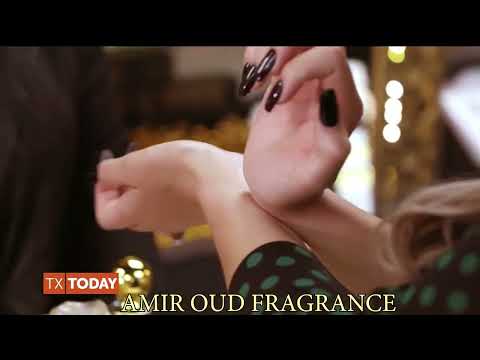
Later in the evening, a visual guide can help if you prefer seeing the style of scent ritual and product presentation rather than only reading about it.
Baths, linens, and quiet evening rituals
Frankincense also fits beautifully into slower, low-smoke practices. This is often the easiest way to make it part of daily life.
Try one of these approaches:
- Bath salts or bath oil: Add a frankincense-infused bath product to warm water for a more meditative soak.
- Bedside scenting: Apply a little diluted blend to pulse points before reading or prayer.
- Linen touch: Lightly scent a robe or fabric item from a safe distance if the product is made for textiles.
- Meditation corner: Burn a small amount of resin in the same place each evening so the mind starts associating the scent with stillness.
The luxury of frankincense isn't about excess. It's about presence. Even a very small amount can make the home feel curated, serene, and intentional.
Safety Contraindications and Common Myths

Who should be cautious
Frankincense deserves the same respect you'd give any active botanical. Its long history doesn't make it automatically harmless in every form, at every dose, for every person.
The verified evidence used in this article notes several important cautions. Frankincense may have a slight blood-thinning effect, so anyone taking anticoagulants or anti-inflammatory drugs should speak with a healthcare professional before using concentrated internal products. It is also not recommended during pregnancy.
Topical use is simpler, but still calls for care. Essential oil should be diluted before it touches the skin. Patch testing is wise, especially if your skin is reactive or you're trying a new blend. With burning resin, ventilation matters. The goal is a fragrant atmosphere, not a heavily smoked room.
A short safety checklist helps:
- For skin use: Dilute first and patch test.
- For resin burning: Use a stable burner and allow airflow.
- For supplements or extracts: Get medical advice if you take blood thinners, NSAIDs, or have liver concerns.
- For pregnancy: Avoid use unless your clinician specifically approves it.
Myths that need a gentler truth
Frankincense attracts myth because it has beauty, heritage, and real pharmacological interest. That combination invites exaggeration. The wiser path is to keep the wonder and lose the overclaiming.
One of the most persistent beliefs is that burning frankincense resin at home can purify the air of viruses or boost systemic immunity in a proven way. The verified data points to a more careful conclusion: a 2023 study found that while boswellic acids in frankincense extract inhibit inflammatory markers, no human trials confirm that burning raw resin reduces airborne virus viability or boosts systemic immunity in real-world environments.
That doesn't make the ritual useless. It places it in the right category. Frankincense can scent a space beautifully, support a calming routine, and contribute to a feeling of cleanliness and reverence. Those are worthy benefits on their own.
Here's a practical myth check:
| Claim | Better framing |
|---|---|
| Burning resin kills viruses in the home | There's no human trial confirmation for that claim |
| Natural means risk-free | Natural materials can still irritate skin or interact with medicines |
| More resin means stronger benefit | Too much often just means harsher smoke |
| Any frankincense product can be eaten | Product format and purity matter, and guidance is essential |
Respecting the limits of the evidence doesn't weaken frankincense. It makes your use of it smarter, safer, and more satisfying.
That's the mature way to enjoy traditional materials in a modern setting. Appreciate what they do well. Don't force them into promises they haven't earned.
Weaving Frankincense into Your Modern Life
Frankincense endures because it speaks to more than one part of life at once. It pleases the senses, carries cultural memory, and now sits under the lens of modern scientific study with enough substance to justify serious attention. Few materials do all three so gracefully.
Its appeal also adapts beautifully to modern living. Raw resin suits moments when you want ceremony, stillness, and atmosphere. Oil blends suit the body and the private radius of personal scent. Skin care formats suit people who want function wrapped in elegance. That flexibility is part of the charm.
The most compelling frankincense resin benefits aren't just about one dramatic claim. They live in the combination. A room feels quieter. A ritual becomes more intentional. Skin care gains a storied botanical. Joint support has meaningful clinical interest. The material earns its reputation from many angles at once.
That's why frankincense never feels like a passing obsession. It feels like a return. Not backward. Inward.
If you'd like to experience frankincense, bakhoor, oud, and oil-based scent traditions through a house rooted in Middle Eastern perfumery, explore Amir Oud Fragrance. Their collection brings together incense, home scent, body care, and perfume in a way that feels polished, welcoming, and connected to heritage.