The Role of Fragrance in Arabic Hospitality

The Essence of Arabic Hospitality: More Than Just a Scent
In Arabic fragrance culture, scent isn't merely an accessory; it's a cherished part of hospitality. The moment a guest steps into an Arabic home, they're enveloped in a symphony of aromas that speaks volumes about respect and generosity. Offering a mabkhara, or incense burner, to guests is more than tradition, it's an art form.
As guests enter, a delicate dance begins with bakhoor. This aromatic wood chip, infused with fragrant oils, is lit to fill the air with its soothing, welcoming presence. The ritual of presenting the mabkhara allows the host to honor their visitors with a sensory embrace that words alone can't convey.

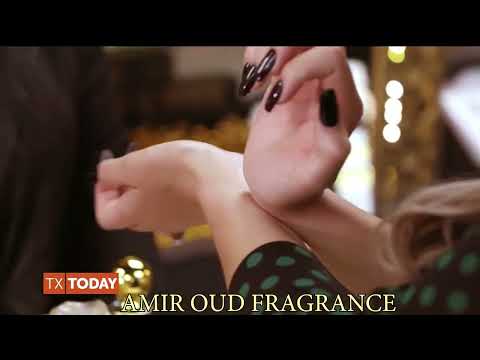
Beyond the intoxicating scent of bakhoor, there's the ritual of sprinkling rose water on guests' hands. This act isn't just about fragrance; it's a gesture of cleanliness and affection. The cool, floral mist refreshes the skin and sets the tone for a delightful visit. These traditions are deeply embedded in the fabric of Arabic hospitality, and they serve as a reminder of the importance placed on making guests feel valued.
Paired with the scent of bakhoor and rose water is the rich aroma of Arabic coffee, often brewed with cardamom. This isn't your typical cup of joe. Serving coffee is an essential part of welcoming guests, blending the warmth of hospitality with a touch of spice. The host serves it in small, handleless cups, refilling as needed, each pour a sign of their generosity.
While these elements are common across Arabic regions, subtle differences exist. In the Gulf countries, the use of royal bakhoor is prevalent, where the scent is often deep and woody, reflecting the desert. Meanwhile, in the Levant, lighter floral notes might be favored, echoing the region's verdant hills and valleys.

Fragrance as a Symbol of Generosity
Fragrance and hospitality in Arabic culture are intricately linked to generosity. Offering scents to guests isn't just a nicety; it's a declaration of esteem and regard. In these cultures, there's a belief that the more fragrant a home, the more welcoming it is. It's not about excess but about the sincere desire to make others feel appreciated and comfortable.
The symbolic use of fragrance extends beyond homes to special occasions and celebrations. Weddings, for instance, often see the generous use of bakhoor and attars, creating an olfactory backdrop for joyous memories. The scent lingers long after the event, a fragrant reminder of shared happiness.
Amir Oud: Bridging Cultures in Texas
At Amir Oud, this rich tradition of using fragrance to express hospitality continues right here in Texas. Our collection reflects the essence of Arabic culture, offering a diverse range of scents that capture both the traditional and the contemporary. Whether you're drawn to the classic allure of authentic bakhoor or the modern elegance of our spray perfumes, you'll find something to suit every occasion.
Visiting our shop in Richardson, Texas is more than a shopping trip, it's an invitation to experience the warmth and generosity of Arabic fragrance culture firsthand. Discover how each scent tells a story and connects with the age-old art of welcoming guests with open arms and open hearts.