Why Oud Smells Different on Everyone

Have you ever wondered why how oud smells on skin seems to vary from person to person? Oud, with its rich and complex aroma, is a fragrance that truly interacts with one's skin in unique ways. This isn't just about preference; it's down to science. The interplay between oud and your skin can create a scent that's as individual as a fingerprint.
One of the main factors is your skin's chemistry. Your skin's pH level plays a significant role in how a scent develops. If your skin is more acidic, it can alter the way oud’s resin compounds interact with your body, leading to a different aromatic experience than someone with a more neutral or alkaline skin pH.

Understanding Skin Chemistry and Oud Projection
Beyond pH, your skin's microbiome, the collection of bacteria living on it, also affects oud. These bacteria can break down certain compounds in the fragrance, subtly changing how it smells. This is part of why fragrances, including oud oil, seem to "wear off" on some people more quickly than others, it's all about how your skin interacts with the scent.
The diet you follow can influence your skin's fragrance profile too. Eating a lot of spicy foods or certain vegetables like garlic can seep through your pores, mingling with the oud and giving it a completely unexpected twist. Similarly, body heat and moisture levels play crucial roles. Warm skin tends to amplify fragrance notes, enhancing the projection of oud, while dry skin might hold onto the fragrance oils, allowing them to fade more slowly.

The Magic of Skin Proteins and Oud
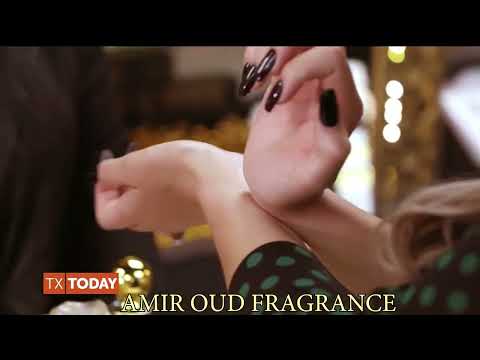
When you apply a fragrance, it's not just sitting on the surface. Oud's resin compounds react with proteins in your skin, which can further personalize the scent. This reaction is why testing oud directly on your skin is essential before committing to a purchase. A quick dab on a pulse point, like the wrist or behind the ear, and waiting for about 30 minutes, can reveal how the fragrance will truly interact with your unique skin chemistry.
To get the best from your oud fragrance, consider your skin's condition. Moisturizing before applying oud can create a better canvas for the scent, allowing it to sit on the skin longer without being absorbed too quickly or breaking down prematurely. This simple step can significantly enhance the fragrance's performance.
Testing, Patience, and Personalization
When testing oud, patience is vital. Unlike lighter fragrances that reveal their heart immediately, oud takes time to fully express its depth. Give it time to unfold on your skin. Check back after half an hour to see how it has evolved and whether it resonates with you.
Consider where you're testing the fragrance. Pulse points are recommended because the warmth helps the fragrance to bloom. However, remember, how oud projects might vary depending on your skin type. Some might find it stays close to the skin, while others notice it fills a room with a subtle trail.
Exploring the world of oud perfumes is a journey of discovery, reflecting personal tastes and unique skin chemistry. Whether you're sampling a new scent or revisiting a classic, understanding these nuances will enrich your fragrance experience. If you're near Richardson, Texas, visiting Amir Oud's shop offers a sensory delight, where every fragrance tells a story personalized by your own skin's interaction.